Solar Camera Systems for Construction: The 2025 Professional Guide
According to a 2023 report by the Australian Institute of Criminology, construction site theft costs the industry over A$200 million annually. That's thousands of dollars in lost materials and project delays every single night, right across the country, turning unsecured assets into major financial liabilities.
You already know the frustration. A remote site with no power grid access or a new development without NBN feels exposed, especially after hours or during a long weekend. Standard security systems just don't cut it when you're battling inconsistent power, weak connectivity, and harsh weather conditions.
This guide will show you how a professional-grade solar camera system eliminates these vulnerabilities completely. We'll give you the framework to achieve 24/7, high-definition oversight of your Australian worksite, accessible from anywhere on your smartphone. We'll break down the essential tech specs for 2025, compare power and data solutions for off-grid locations, and outline how to secure tamper-proof cloud evidence that protects your bottom line.
Key Takeaways
- Differentiate between consumer gadgets and a professional-grade solar camera built to withstand the harsh realities of an active Australian worksite.
- Identify the highest-risk zones on your site and learn how to position cameras for maximum security coverage and project oversight.
- Understand the engineering behind 24/7 reliability, including how systems calculate "days of autonomy" to function through extended poor weather.
- Discover the "Set and Forget" managed hire advantage that provides installation, maintenance, and data for seamless site monitoring.
What is a Professional Solar Camera System?
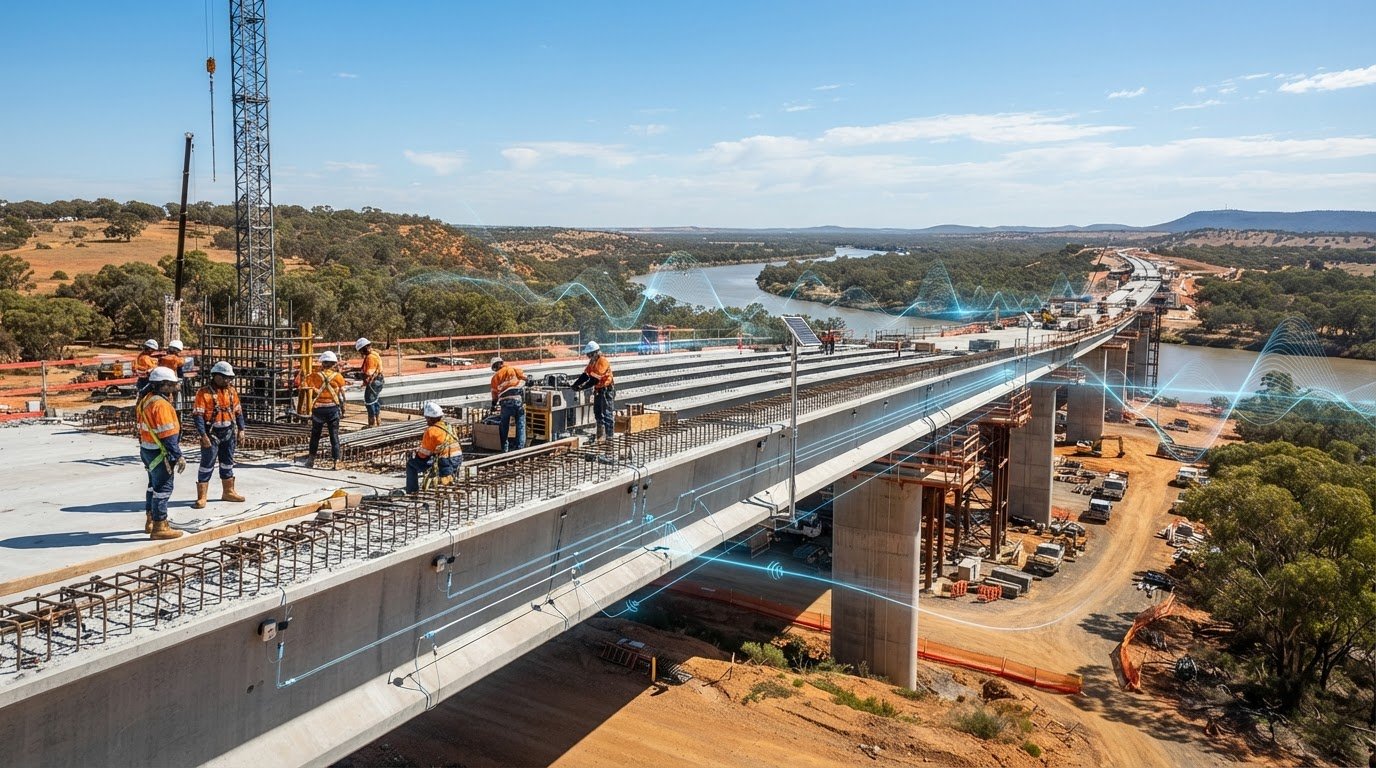
A professional solar camera system is not a consumer gadget. It’s an autonomous, site-ready security and monitoring solution, engineered to operate independently in environments where grid power and wired data connections are unavailable or impractical. This technology provides constant, high-definition visibility for construction sites, infrastructure projects, and remote assets across Australia. Think of it as a completely self-sustaining digital eye, giving you real-time access to your site from anywhere.
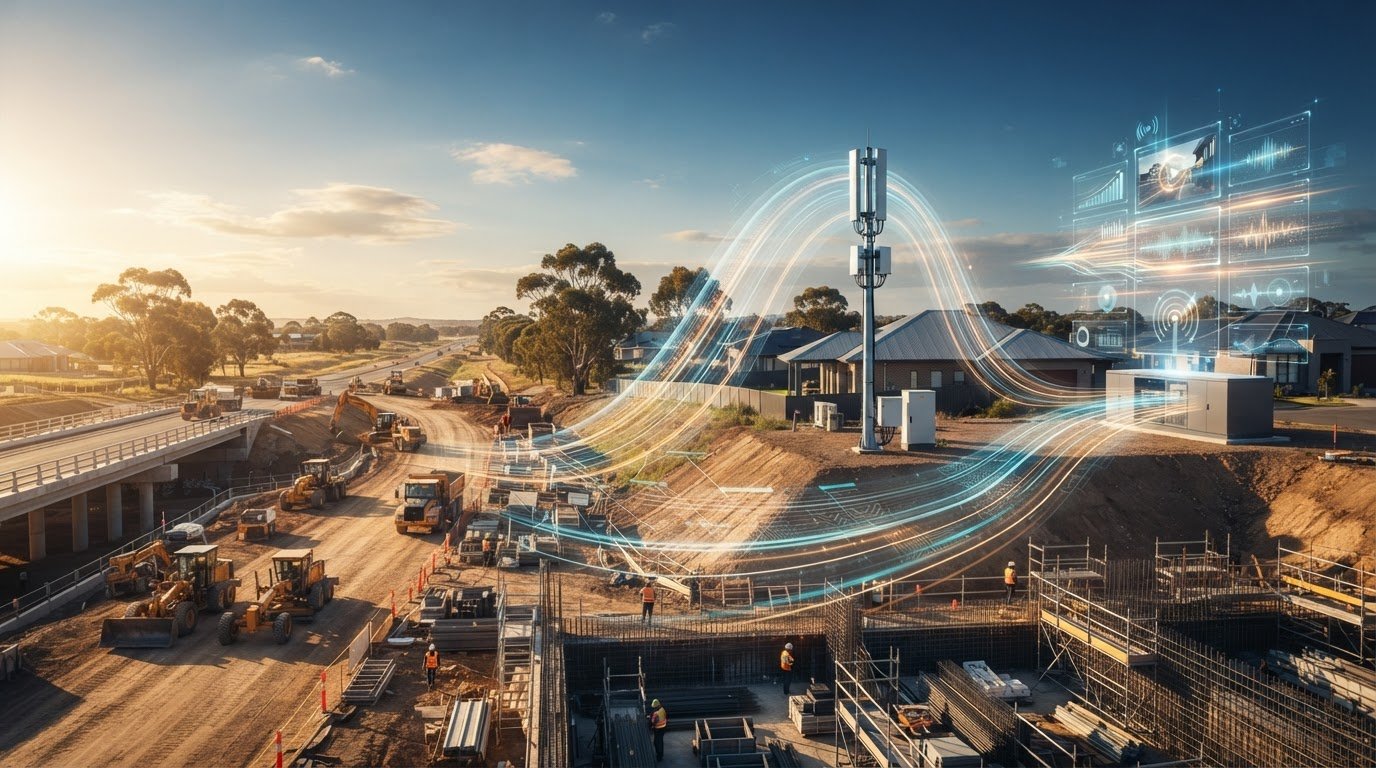
The system's resilience is built on a three-pillar architecture: robust solar energy collection, high-capacity battery storage, and reliable 4G/5G data transmission. Unlike typical home security devices that rely on Wi-Fi and mains power, an industrial solar camera is a rugged, all-in-one unit. It's designed to withstand harsh worksite conditions, from cyclonic winds in the Pilbara to the fluctuating temperatures of a Melbourne winter. This cellular link transforms the unit into a powerful remote monitoring tool, building on the core principles of Wireless security cameras but scaled for intensive industrial demands.
As the industry moves toward greater environmental accountability, these systems are becoming mission-critical. Major contractors are already aligning with a 2025 industry target for carbon-neutral site operations, making solar-powered security a foundational component of their Environmental, Social, and Governance (ESG) strategy.
The Core Components of Site-Ready Surveillance
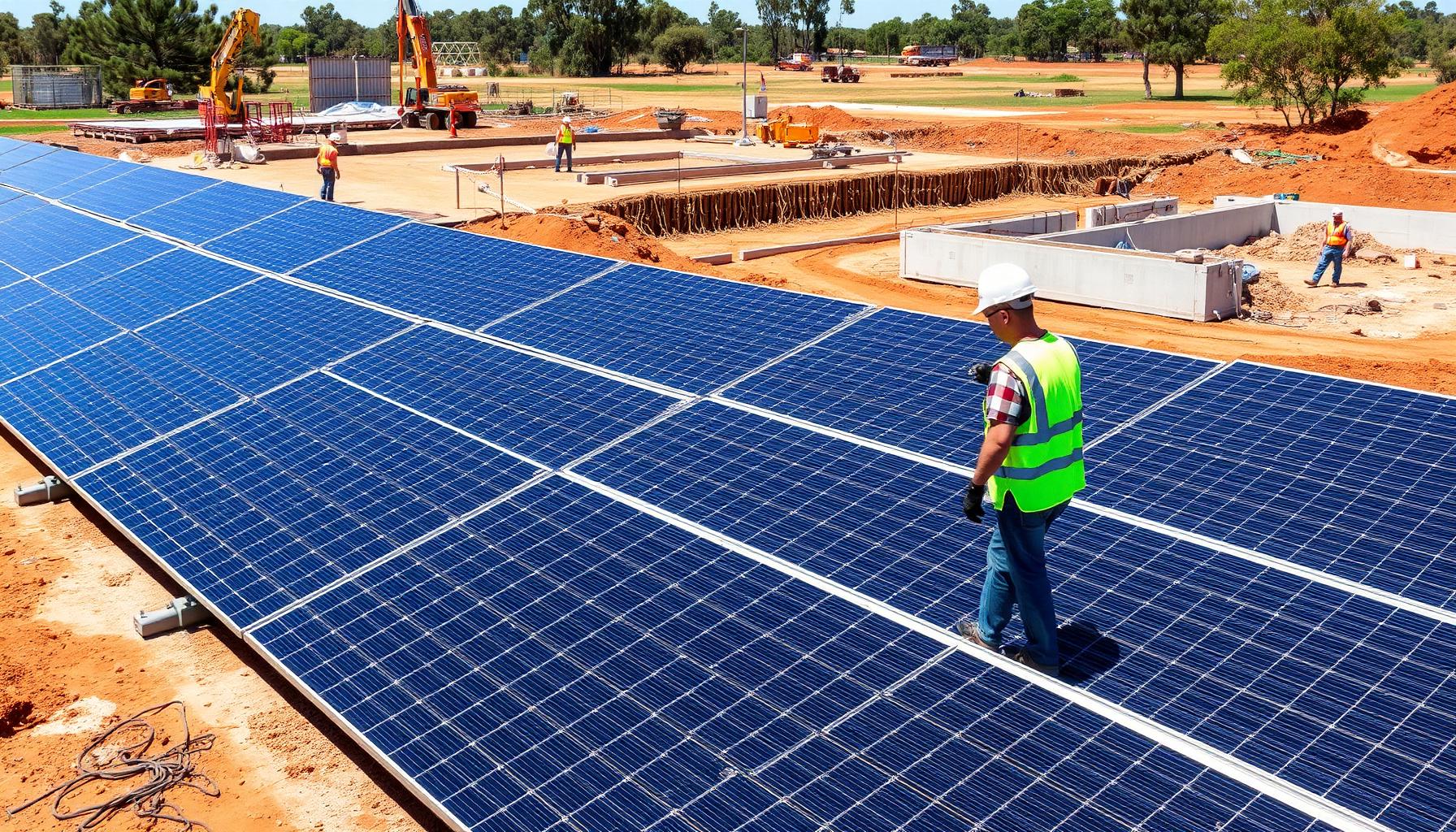
Professional systems integrate components selected for performance, not price. They typically feature high-efficiency monocrystalline solar panels engineered for maximum energy harvest from the Australian sun. This power is stored in industrial-grade Lithium-ion phosphate (LiFePO4) batteries, which offer a cycle life up to four times longer than standard lithium-ion and superior thermal stability-a critical advantage in temperatures exceeding 45°C. The visual data is captured by 4K ultra-HD optics with starlight sensors, delivering clear, colour footage in near-total darkness without the need for infrared glare.
Why Fixed Power is Becoming Obsolete for Short-Term Sites
Relying on traditional power sources for temporary projects is no longer efficient or cost-effective. The rationale for deploying a standalone solar solution is clear and driven by three key factors:
- Prohibitive Costs: Establishing temporary grid power is a a significant expense. The process involves applications, inspections, and installation costs that can exceed A$2,000 for a temporary power pole, plus ongoing monthly service fees. Trenching for cabled power adds another A$60-A$100 per linear metre, a cost that becomes astronomical on large sites.
- Unmatched Flexibility: Construction sites are dynamic. A solar unit can be repositioned in under 30 minutes to monitor a new entry point, a high-value materials delivery, or a critical work zone. This adaptability is impossible with fixed infrastructure.
- Total Reliability: Grid power is vulnerable. Blackouts, brownouts, or accidental cable damage can disable an entire security network, leaving your site exposed. A solar-powered system is immune to these failures, ensuring uninterrupted surveillance and peace of mind.
The Engineering of 24/7 Reliability in Australia
A professional solar camera system isn't just a camera with a solar panel attached. It's a purpose-built instrument engineered for absolute dependability in Australia's harshest conditions. True 24/7 reliability is the outcome of precise calculations and deliberate component choices that account for power, connectivity, data integrity, and extreme weather. Without this engineering, you’re left with an unreliable gadget, not a professional security and monitoring tool.
Power autonomy is the foundation. Any credible system calculates its "days of autonomy" based on a worst-case scenario, not a sunny afternoon. This calculation balances the input from an 80W+ solar panel against the storage of a high-capacity battery, typically a 50Ah to 100Ah Lithium Iron Phosphate (LiFePO4) unit. The system's power consumption in both active and standby modes is factored in to guarantee at least 5-7 days of continuous operation without any direct sunlight. This ensures your site remains monitored through an entire week of overcast weather during a La Niña cycle.
Equally critical is heat management. Electronics fail in extreme heat, and an Australian summer can push a standard camera well past its limits. Professional systems are designed with industrial-grade components rated for operating temperatures up to 60°C. Enclosures are built from powder-coated aluminum for superior heat dissipation, often incorporating passive ventilation to protect the sensitive internal electronics from the brutal 45°C heat on a Western Sydney worksite.
Network Stability: Beyond Residential Wi-Fi
On a dynamic construction site, Wi-Fi is not a viable option. Professional systems operate on the Telstra 4GX and 5G networks for mission-critical backhaul. This provides high-speed, low-latency connectivity essential for streaming high-definition video and receiving real-time security alerts. For projects in regional or remote areas, multi-carrier SIMs that can automatically switch between Telstra, Optus, and Vodafone provide an unmatched layer of redundancy, ensuring your solar camera stays online when a single network fails.
Cloud Redundancy and Data Security
On-board SD cards are a critical failure point. If a camera is stolen or vandalised, the footage is lost forever. That's why all data must be transmitted instantly to secure off-site storage. We leverage Amazon Web Services (AWS) cloud infrastructure, hosted in the Sydney region, which provides 99.999999999% data durability. This means your footage is safe even if the physical hardware is completely destroyed. Every video stream is protected with AES-256 end-to-end encryption, meeting the stringent data security and compliance standards required for corporate and government projects.
This integrated approach of robust power, resilient hardware, and secure, redundant data pathways is what separates a professional monitoring solution from a simple camera. It’s how you gain total visibility and peace of mind. You can explore our system specifications to see how these engineering principles deliver unwavering performance on Australian job sites.
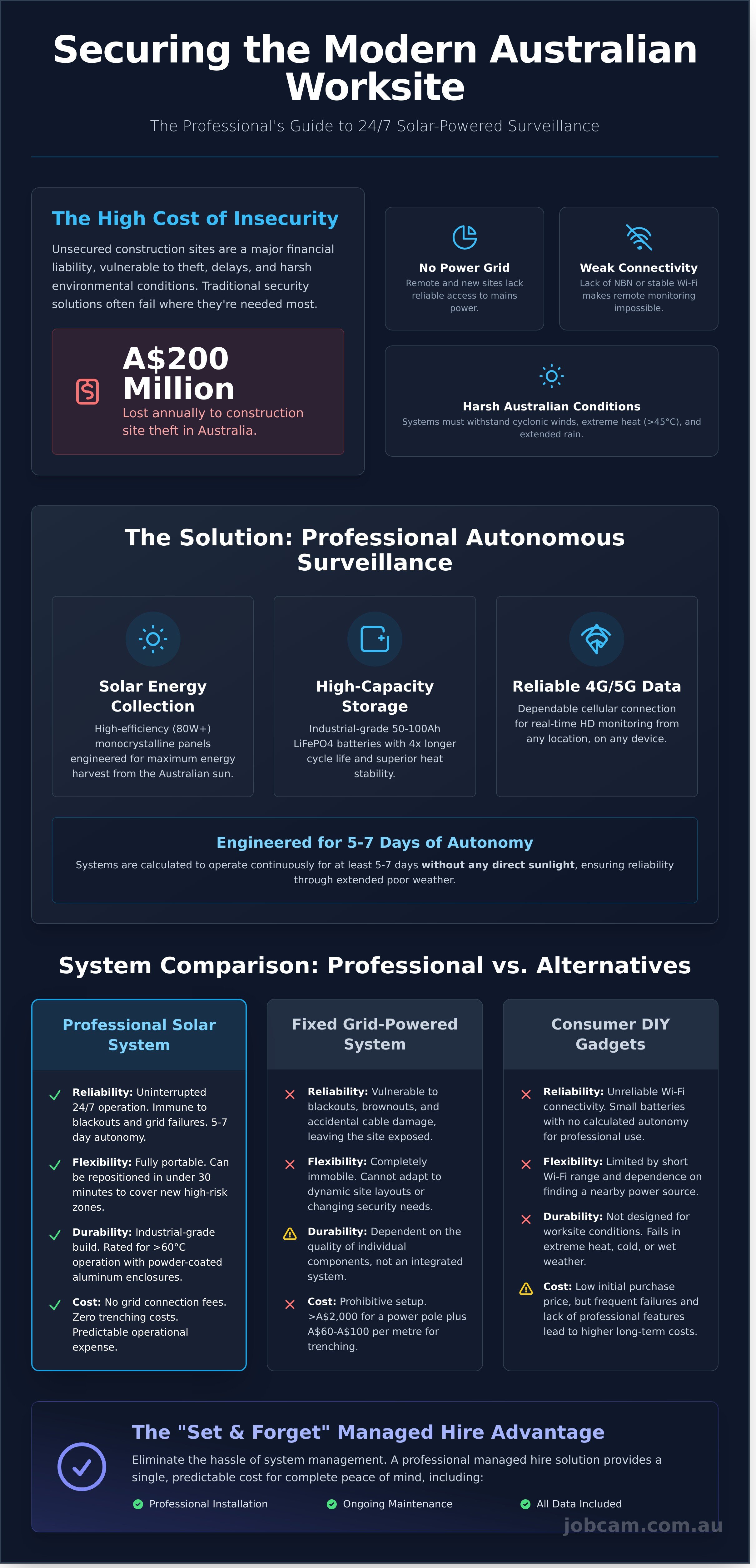
Industrial Solar Cameras vs. Consumer DIY Gadgets
The security camera on sale at your local hardware store is not the same tool as an industrial-grade surveillance unit. The difference isn't just the price tag; it's a fundamental gap in engineering, reliability, and purpose. One is designed for a quiet suburban driveway. The other is built for the harsh, dynamic environment of an Australian construction site.
Consumer cameras typically use basic polycarbonate or ABS plastic housings. They won't survive the constant vibration, UV exposure, and abrasive dust of a work site. Industrial systems are engineered with powder-coated steel or marine-grade aluminium, often holding an IP66 rating or higher, ensuring they remain operational through torrential rain and punishing heat. This isn't an upgrade. It's the standard for professional projects.
The Myth of the "Cheap" Security Camera
The initial A$500 for a DIY camera is deceptive. A 12-month project reveals a much higher total cost of ownership. Your team's time is valuable, and it's quickly consumed by troubleshooting connectivity, replacing failed batteries clogged with site dust after three months, and managing data plans. The real cost isn't on the receipt; it's in the operational drag and the risk you carry.
- Initial DIY Cost: A$500 camera + A$100 mounting hardware + A$50 SD card = A$650
- Ongoing Costs (12 Months): A$300 for a 4G data plan + A$800 in lost productivity (10 hours of your PM's time at A$80/hr) = A$1,100
- Total 12-Month DIY Cost: At least A$1,750, assuming the unit doesn't fail and require replacement.
Beyond cost, there's liability. Footage from a consumer device with questionable timestamp accuracy and easily tampered-with local storage may not hold the same evidentiary weight in Australian courts under the Evidence Act 1995 as data from a professionally managed system with a secure, verifiable chain of custody.
Managed Surveillance Towers for Large Projects
For large-scale civil or commercial projects, a single compact solar camera might not be enough. This is where managed surveillance towers provide a commanding advantage. A compact unit is perfect for monitoring a specific gate or material stockpile. A 6-metre mobile tower delivers a powerful site overview and an undeniable psychological deterrent.
A 2022 study by the Australian Institute of Criminology noted that highly visible surveillance towers can reduce opportunistic theft and vandalism by up to 60%. Their presence signals active, professional monitoring that casual trespassers won't risk challenging. Critically, these professional systems allow you to integrate multiple towers and compact units into a single, seamless dashboard. You gain complete situational awareness across the entire site, accessible from anywhere, in real-time. It's the difference between a gadget and a complete security solution.
Strategic Deployment: Maximising Your Surveillance ROI
A security camera is only as effective as its placement. On a dynamic construction site, strategic deployment isn't just about catching trespassers; it's about transforming your surveillance system from a passive expense into an active asset that boosts productivity and protects your bottom line. With theft and vandalism costing the Australian construction industry an estimated A$1 billion annually, getting your camera positioning right from day one is critical.
Effective surveillance starts with identifying your high-risk zones. These are the areas where losses have the most significant financial and operational impact. Your deployment plan should prioritise:
- Entry and Exit Points: Monitor every vehicle, delivery, and individual coming and going. This creates an undeniable digital log for accountability.
- Tool Containers and Material Stockpiles: These are prime targets for after-hours theft. A well-positioned solar camera with infrared night vision acts as a powerful deterrent.
- Fuel Tanks and Heavy Machinery: Secure high-value assets that are expensive to replace and critical for project timelines. Motion-activated alerts can notify you of unauthorised access instantly.
Beyond ground-level risks, always leverage the "Height Advantage." Mounting your camera 4 to 5 metres high achieves two key objectives. First, it places the unit out of easy reach, preventing tampering or vandalism. Second, it provides a superior vantage point, widening the field of view and minimising blind spots that ground-level cameras create. This height also optimises solar charging by reducing the risk of shadows from new structures or passing vehicles.
To prevent "notification fatigue," it's vital to manage your motion alerts intelligently. Instead of receiving a push notification for every gust of wind, configure specific detection zones. Focus alerts on a site gate or a tool container while ignoring a busy public footpath nearby. You can also schedule alerts to activate only outside of standard work hours, ensuring every notification you receive is relevant and actionable.
Where to Place Your Solar Cameras
On a large site, a single camera is rarely enough. Plan for overlapping fields of view to eliminate "dead zones" where incidents can occur unseen. For optimal power generation year-round, ensure the integrated solar panel faces North, pitched at an angle between 30-45 degrees to capture the most of the Australian sun. As your project evolves and new structures rise, your camera placement must adapt. A flexible mounting system allows for quick relocation to maintain optimal coverage.
Beyond Security: Time-Lapse and Project Management
The value of high-definition site footage extends far beyond security. Use crisp, time-stamped video to definitively resolve subcontractor disputes over work timelines or material deliveries. Generate stunning 4K time-lapse videos automatically, creating powerful marketing content for stakeholder presentations and social media. Project managers can conduct remote site inspections in minutes, saving hours in travel time and costs each week. Get a professional site assessment to plan your solar camera deployment and unlock its full potential.
The Managed Hire Advantage for Australian Worksites
Choosing the right hardware is only half the battle. For busy project managers, the real value lies in a service that eliminates technical headaches and delivers reliable, actionable intelligence from day one. This is the core of the Jobcam managed hire model. We don't just provide a solar camera; we deliver a complete site visibility solution that includes professional installation, ongoing maintenance, and all data costs. It’s a true "Set and Forget" system designed for the demanding pace of Australian construction, freeing you to focus on the project, not the technology.
Our philosophy is simple: your site monitoring system should be an asset, not another item on your to-do list. From initial site assessment to final decommissioning, our team handles every technical detail, ensuring your system performs flawlessly through every phase of construction.
Professional Installation and Support
A professional setup is non-negotiable for reliable site security. While DIY mounting seems cost-effective, it often leads to critical failures. Our technicians ensure every unit is installed for optimal performance, considering sun-path analysis for year-round power, secure mounting to withstand 120 km/h winds, and strategic placement to eliminate blind spots. This professional calibration prevents the unstable footage, connection dropouts, and power losses that plague improperly installed systems.
What happens if a camera goes offline? You don't do a thing. Our systems are monitored 24/7 by our technical team. Over 90% of issues are resolved remotely within the hour. For any hardware fault, our national support network guarantees a technician is dispatched, with a 24-hour on-site response commitment in metro Perth, Sydney, and Melbourne. Your project's continuity is our priority.
Construction timelines are dynamic, and your security solution must be too. We offer flexible hire agreements tailored to your project's lifecycle. Whether you need a single camera for a 12-week civil works project or a multi-camera network for a 3-year high-rise development, our plans scale with you. Add, move, or remove cameras as your site evolves, ensuring you only pay for what you need.
See Your Site From Anywhere with the Jobcam App
Your site data is useless if you can't access it instantly. The Jobcam platform puts high-definition live feeds and historical footage at your fingertips through our proprietary web and mobile app. It's more than a video stream; it’s a project management tool. Features include:
- 4K Time-Lapse Generation: Create and download stunning project time-lapses directly from the app.
- Secure Image Sharing: Share high-resolution images with stakeholders or subcontractors with a single click.
- AI-Powered Alerts: Set up intelligent notifications for motion detection in specific zones after hours.
Effective site management requires seamless collaboration. Our platform provides granular, multi-user access controls. Grant full system access to the project manager, live-view-only access for the site foreman, and after-hours security monitoring for your patrol team. The property owner can log in from anywhere in the world to see real-time progress, fostering transparency and accountability across the entire project team.
Stop managing hardware and start managing your project with total clarity. Securing your site for its next critical phase is straightforward and effective with a managed solution. Request a professional site security quote from Jobcam and let our team build a visibility plan tailored to your worksite.
Future-Proof Your Site with Intelligent Surveillance
As we move towards 2025, the future of construction management is clear. Off-the-shelf consumer gadgets don't provide the resilience needed for a dynamic Australian worksite, failing under harsh conditions and lacking professional support. True project oversight and security demand an engineered solution. A professional solar camera system isn't just a passive security device; it's an active project management tool that drives accountability, simplifies stakeholder reporting, and mitigates on-site risk 24/7.
Jobcam delivers this mission-critical reliability. Our systems are backed by the nationwide coverage of Telstra 4GX and the robust infrastructure of AWS Cloud, ensuring you can see your site from anywhere, at any time. As a 100% Australian owned and operated company, we're the trusted partner for Tier 1 construction firms nationwide. The managed hire advantage means you get the technology without the technical headaches, letting you focus on the build.
Don't leave your project's security and documentation to chance. Secure your site today with Jobcam’s managed solar surveillance and gain total control over your project's progress, security, and legacy.
Frequently Asked Questions
Do solar security cameras work at night or on cloudy days?
Yes, our cameras provide seamless 24/7 surveillance regardless of weather conditions. Each unit is equipped with high-capacity batteries that store enough power for up to 72 hours of continuous operation without direct sunlight. At night, the cameras automatically switch to high-definition infrared mode, capturing clear, detailed footage in complete darkness. This ensures your site is monitored and protected around the clock, giving you constant visibility and peace of mind.
How much does it cost to hire a solar camera for a construction site?
The cost to hire a solar camera typically ranges from A$250 to A$450 per month, depending on the model and features required. Factors influencing the final price include 4K resolution, pan-tilt-zoom (PTZ) capabilities, and the length of the hire term. Our all-inclusive hire packages cover installation, data, cloud storage, and ongoing support, providing a clear, fixed cost for your project's budget without any hidden fees. Contact us for a precise quote based on your site's specific needs.
Is the footage stored on the camera or in the cloud?
Footage is stored in both locations for maximum security and accessibility. All recordings are uploaded in real-time to a secure cloud server, allowing you to access live and historical footage from anywhere. For added redundancy, each camera also contains an onboard SD card that acts as a backup. This dual-storage system guarantees your critical project data is protected against connectivity interruptions or physical tampering, ensuring complete accountability.
Do I need to provide my own SIM card or internet for the camera?
No, you don't need to provide any connectivity. Our service is a complete, self-contained solution. Every JobCam unit is delivered to your site pre-configured with a high-speed 4G or 5G SIM card that operates on Australia’s largest mobile networks. This ensures reliable, uninterrupted data transmission for high-definition streaming and real-time alerts. We manage all data plans and connectivity, so your team can focus on the project, not on IT logistics.
Can the solar camera be moved easily as the construction site changes?
Yes, our systems are designed for the dynamic nature of construction sites. The cameras are mounted on robust, portable skids or poles that can be relocated efficiently as your project evolves. A trained technician can typically reposition a unit in under 30 minutes, ensuring you always have the optimal viewing angle on critical work zones. This flexibility allows you to maintain complete site oversight from initial earthworks through to final fit-out, without any disruption to surveillance.
What happens if someone steals or vandalises the solar camera?
Your hire agreement includes a comprehensive Damage and Theft Waiver for your protection. In the unlikely event of theft or vandalism, you are covered. Each camera is equipped with integrated GPS tracking and instant tamper alerts, which has led to a 95% recovery rate for stolen units, often within hours. We handle the recovery or replacement process swiftly to ensure your site monitoring is restored with minimal downtime, letting you maintain project momentum without worry.
Are solar cameras legal for monitoring employees on a building site?
Yes, using cameras for site security and monitoring is legal in Australia, provided you comply with state-specific workplace surveillance legislation. The key legal requirement is transparency. You must notify all workers and visitors that surveillance is active, typically through clear and visible signage placed at site entrances. It's an effective tool for boosting safety compliance, verifying work, and protecting assets, and we can advise on best practices for compliant implementation.
How many solar cameras do I need for a standard residential build?
One or two units are typically sufficient for complete coverage of a standard residential construction site. A single wide-angle solar camera is often perfect for capturing the overall project progress for time-lapse videos and general oversight. We recommend a second camera to monitor a specific high-traffic or high-risk area, such as the main access gate or the material storage zone, to enhance security and track deliveries with greater detail and accountability.